


Quick Guide: The Calvert Cliffs are best known for fossil shark teeth, but the Miocene deposits along the Chesapeake Bay preserve much more. This hub separates the fossils into three identification guides: shark teeth and rays, other vertebrates, and invertebrates.
Fossils from the Calvert Cliffs of Maryland
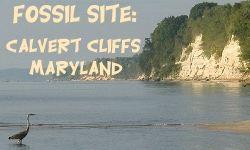
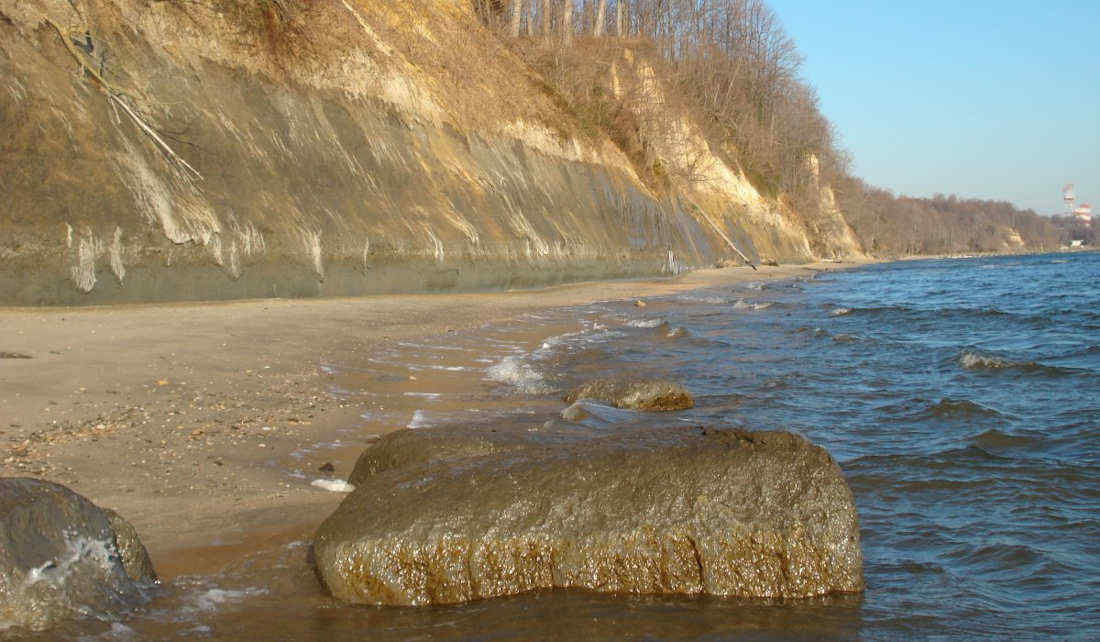
The Calvert Cliffs expose fossil-rich Miocene sediments of the Chesapeake Group, including the Calvert, Choptank, and St. Marys formations. These ancient coastal and marine deposits preserve fossils from a warmer Chesapeake Bay region that was home to sharks, rays, bony fish, whales, dolphins, seals, turtles, crocodiles, shellfish, crabs, gastropods, and occasional land mammals.
Because the fossil variety is so large, this hub sends you to the right identification page. Start with shark teeth if you found a tooth-shaped fossil, use the vertebrate guide for bones and mammal or reptile material, and use the invertebrate guide for shells, crabs, barnacles, sand dollars, and plant material such as lignite.
Choose a Calvert Cliffs Fossil Identification Guide
Click one of the three guide cards below to identify the fossil type you found.


Site and Age: Calvert County, Maryland and nearby Chesapeake Bay exposures. Most fossils shown in these guides are from the Miocene Epoch, roughly 23 to 8 million years ago, from the Chesapeake Group: Calvert, Choptank, and St. Marys formations.
Calvert Cliffs Fossil Identification FAQ
What fossils are most common at the Calvert Cliffs?
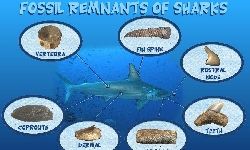
Fossil shark teeth are the most popular finds, but shells, ray dental plates, fish material, whale bones, and other Miocene marine fossils are also found.
Where should I start if I found a tooth?
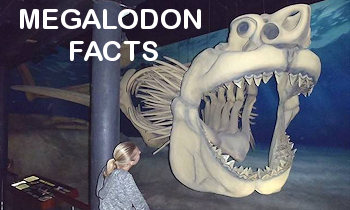
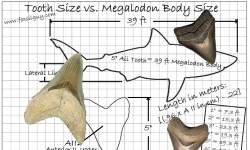
Start with the shark tooth and ray fossil guide. It covers many common tooth shapes from sharks and rays, including megalodon, mako, sand tiger, tiger shark, snaggletooth shark, and ray crushing plates.
Are bones from the Calvert Cliffs always whales or dolphins?
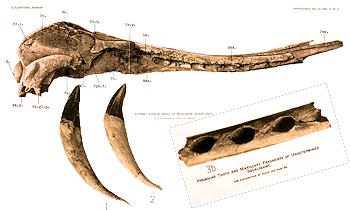
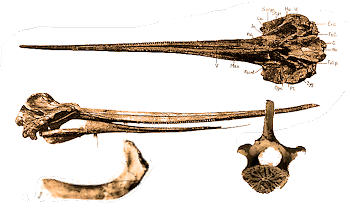
No. Many bones are from cetaceans, but the area also preserves fish, seals, turtles, crocodiles, rare land mammals, and other vertebrates. The vertebrate ID guide is the best place to compare those fossils.