Vertebrate Fossils
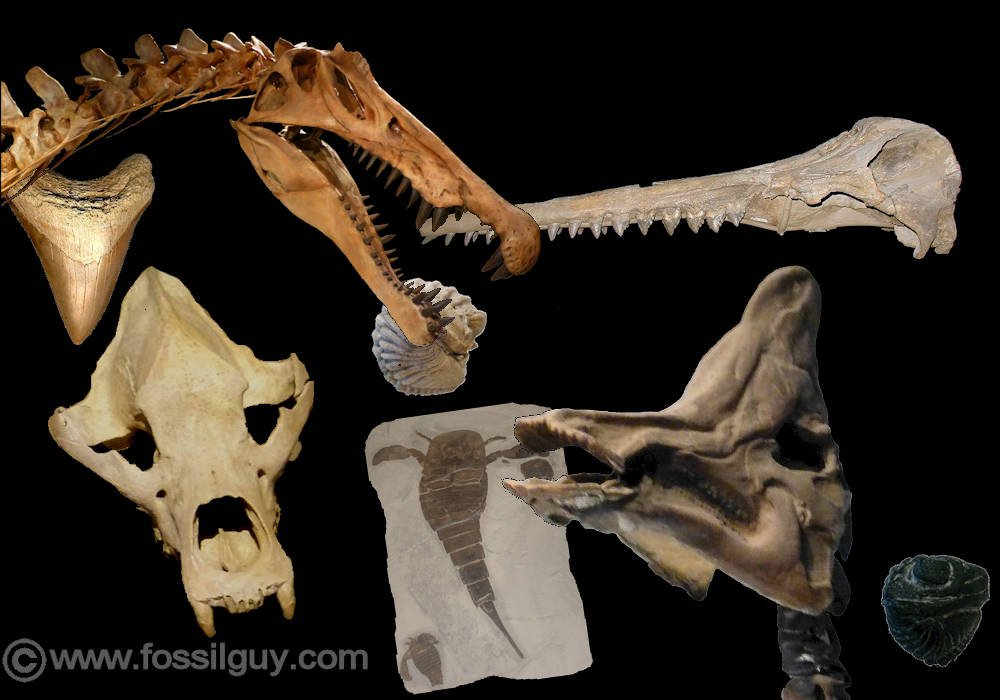
Vertebrates are animals with a backbone. Their fossil record includes early fishes, dinosaurs, marine reptiles, birds, and mammals. The guides below highlight some of the best-known prehistoric vertebrates and the fossils that reveal how they lived.
Dinosaurs
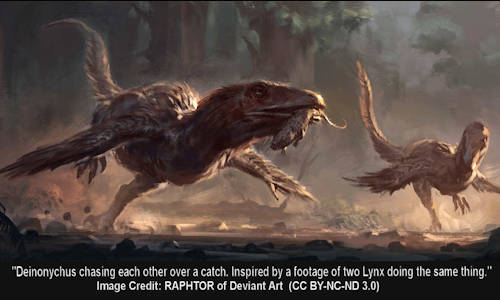
Dinosaurs lived for more than 160 million years and evolved into an enormous range of body sizes and lifestyles. These guides cover familiar predators and herbivores as well as the connection between dinosaurs and birds.
Reptiles and Pterosaurs
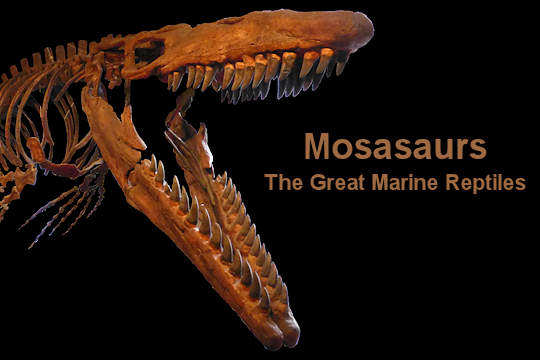
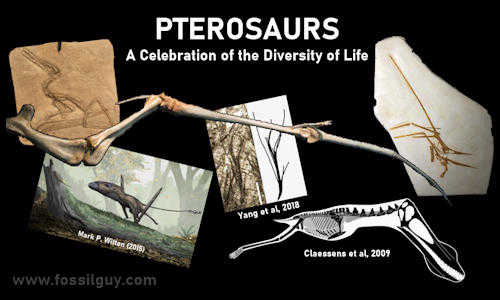
The Mesozoic was also home to major reptile groups outside Dinosauria. Mosasaurs dominated Late Cretaceous seas, while pterosaurs were the first vertebrates to evolve powered flight.
Cenozoic Land Mammals
After the end-Cretaceous extinction, mammals spread into ecological roles once occupied by many Mesozoic groups. The Cenozoic produced giant rhinoceros relatives, unusual elephants, brontotheres, cave bears, and many other mammals unlike anything living today.
Marine Mammals
Some mammals returned to the water during the Cenozoic and eventually became fully marine. Early whales and dolphins document that transition and show how quickly mammals diversified in ocean ecosystems.
Prehistoric Sharks
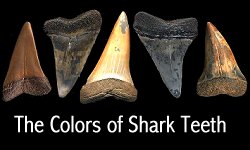
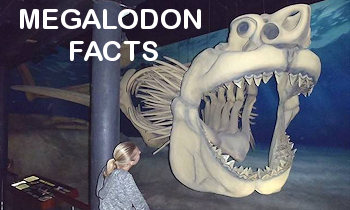
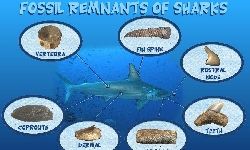
Sharks are cartilaginous fishes, so teeth are far more common as fossils than complete skeletons. Their fossil record stretches back hundreds of millions of years and includes everything from small Paleozoic forms to the giant Otodus megalodon. For more species and fossil information, visit the Prehistoric Shark Gallery, where you can learn detailed information on
over 20 species of sharks, including fossil identification.
Placoderms
Placoderms were armored fishes that flourished during the Paleozoic, especially the Devonian. Their jaws carried sharpened bony plates rather than true teeth. The best-known example is Dunkleosteus, one of the largest predators in Devonian seas.
Invertebrate Fossils
Most animal diversity is invertebrate, and the fossil record includes many arthropod groups that look very different from modern animals. Here you can explore giant Paleozoic insects, trilobites, eurypterids, and some of the strangest animals of the Cambrian Explosion.
Giant Carboniferous Insects
The Late Carboniferous is famous for unusually large arthropods. Giant griffinflies such as Meganeura flew over coal forests, while other extinct insect groups also reached impressive sizes. The dedicated Giant Carboniferous Insects guide looks at their fossils, how large they became, why high oxygen is only part of the story, and why their old aerial niches are now occupied by animals such as birds and bats.
Trilobites
Trilobites were marine arthropods that lived throughout much of the Paleozoic Era. Fossil collectors often call them "bugs," but they were not insects. More than 20,000 species have been described, with an enormous variety of body shapes, spines, eyes, and lifestyles. For a broader overview, visit the Trilobite Gallery.
Eurypterids: The Sea Scorpions
Eurypterids were ancient aquatic arthropods that lived from the Ordovician through the Permian. Despite the nickname "sea scorpions," they were their own extinct group. Most were modest in size, but a few species grew to more than two meters long. Visit the Eurypterid Gallery for more.
Cambrian Oddities
Cambrian seas were filled with some of the strangest animals in Earth's history. Fossils from the Burgess Shale and Chengjiang Biota preserve predators, swimmers, burrowers, and filter feeders with body plans that can look almost alien today. Explore the full Weird Cambrian Animals guide.
Plant Fossils and Other Ancient Life
The fossil record is much more than animals. Plants record ancient forests, climates, and ecosystems, while fossils such as Prototaxites remind us that some ancient organisms still resist simple labels.
Plant Fossils
Leaves, wood, seeds, roots, pollen, and entire trees can enter the fossil record. Plant fossils help reconstruct ancient climates and show what the landscapes surrounding prehistoric animals actually looked like.
Prototaxites and Enigmatic Ancient Life
Prototaxites formed huge trunk-like structures in Silurian and Devonian landscapes. Its exact biology was debated for more than a century, making it one of the classic puzzles of early terrestrial life.